
For Patients
Airway Health
& Sleep
Your airway is the foundation of your health. When oral posture and breathing patterns are off, it can affect your sleep, energy, focus, and even cardiovascular health. Orofacial myofunctional therapy addresses the root causes of many airway-related issues.
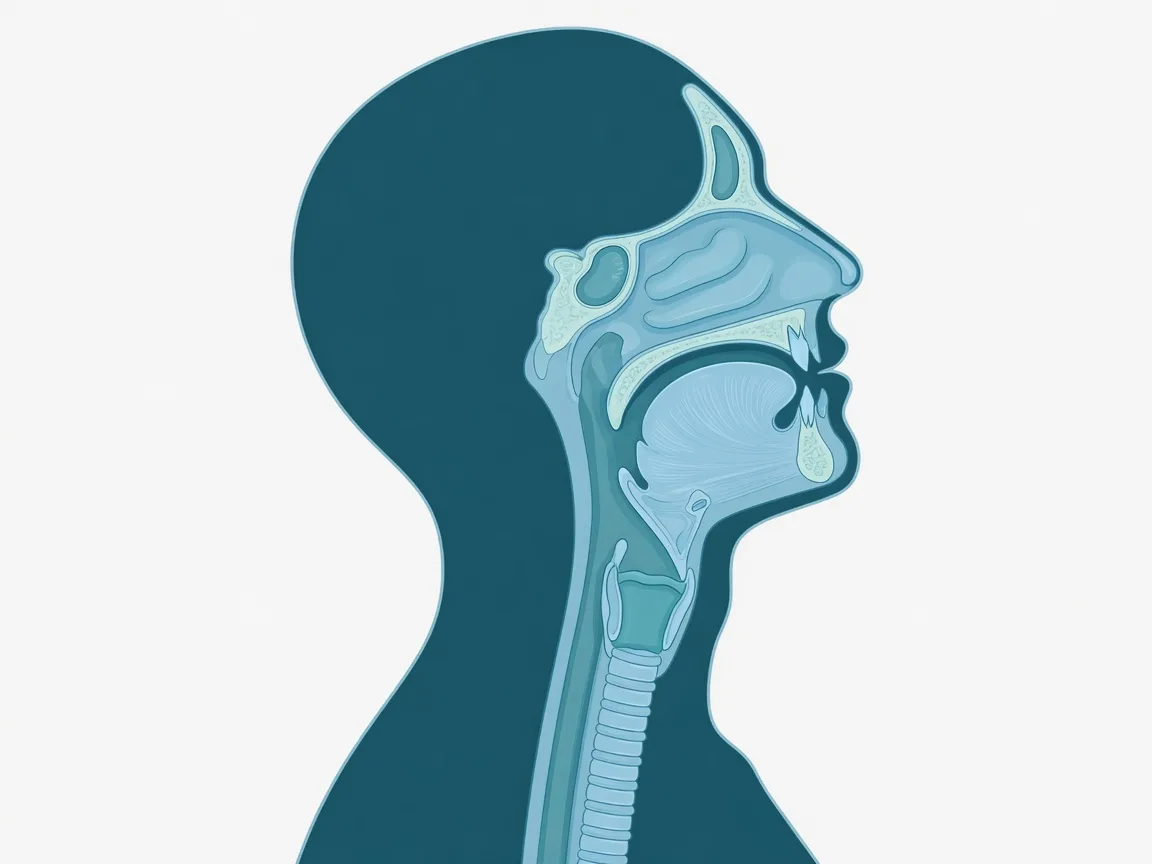
The Oral-Airway Connection
Most people do not realize that the way they hold their tongue, breathe, and swallow has a profound impact on their airway. Chronic mouth breathing, low tongue posture, and weak orofacial muscles can contribute to narrowed airways, sleep-disordered breathing, and a cascade of health issues that extend far beyond the mouth.
Research increasingly shows that addressing these foundational patterns through orofacial myofunctional therapy can improve sleep quality, reduce snoring, support orthodontic stability, and enhance overall well-being. When the tongue rests correctly on the palate and nasal breathing is the default, the airway is wider, the body is more oxygenated, and sleep is more restorative.
Is Your Airway Compromised?
Here are common signs that your airway may be affected by orofacial patterns. If several of these sound familiar, a myofunctional evaluation could help.
Chronic Mouth Breathing
Breathing through your mouth during the day, waking with a dry mouth or dry throat regularly, or feeling like you cannot get enough air through your nose.
Snoring or Sleep Apnea
Loud snoring, witnessed pauses in breathing during sleep, gasping or choking sounds at night, or a diagnosis of obstructive sleep apnea.
Daytime Fatigue & Brain Fog
Persistent tiredness despite adequate time in bed, difficulty concentrating, brain fog, or relying on caffeine to get through the day.
Orthodontic Relapse
Teeth shifting after braces or Invisalign, often a sign that the tongue posture or swallowing patterns driving the original misalignment were never corrected.
Forward Head Posture & Tension
Neck tension, chronic headaches, jaw pain, or forward head posture that compensates for a restricted airway.
Childhood Signs of Airway Issues
Bedwetting, restless sleep, ADHD-like behavior, chronic allergies, dark circles under the eyes, or mouth breathing in children can all signal airway issues.
How Orofacial Myofunctional Therapy Can Help
At Thrive Professional Solutions, Samantha Medeiros combines her dental compliance background with trained orofacial myofunctional therapy expertise to evaluate and address the orofacial patterns that affect your airway. OMT addresses airway issues at the muscular level through targeted exercises that:
- Establish nasal breathing as the default pattern, which filters, warms, and humidifies air more effectively than mouth breathing
- Position the tongue correctly on the palate, which helps widen the airway and supports proper facial development
- Strengthen the lips, cheeks, and tongue for better swallowing and resting posture
- Reduce compensatory muscle patterns that contribute to TMJ pain and tension headaches
Samantha works collaboratively with your dentist, orthodontist, ENT, or sleep physician to ensure a comprehensive approach. Her therapy complements, not replaces, medical treatment — and she is committed to evidence-based protocols that produce measurable results.
What to Do Next
Schedule an Evaluation
A free initial consultation to discuss your symptoms, health history, and goals. Samantha will determine if OMT is right for you.
Complete a Comprehensive Assessment
A thorough evaluation of your oral rest posture, breathing patterns, swallowing mechanics, and muscle function. You will receive a personalized therapy plan.
Begin Your Therapy Journey
Regular sessions (in-person or virtual) with home exercises between visits. Most patients see significant improvement within 8 to 12 weeks.
Ready to Explore Your Airway Health?
Find out if your symptoms may be connected to orofacial patterns. A free consultation is the first step toward better breathing, better sleep, and better health.