
For Patients
Tongue Tie &
What to Expect
Tongue tie (ankyloglossia) affects more people than you might think — and its effects extend far beyond the mouth. Whether you are a parent concerned about your infant's feeding or an adult struggling with chronic tension and sleep issues, understanding tongue tie is the first step toward relief.

What Is a Tongue Tie?
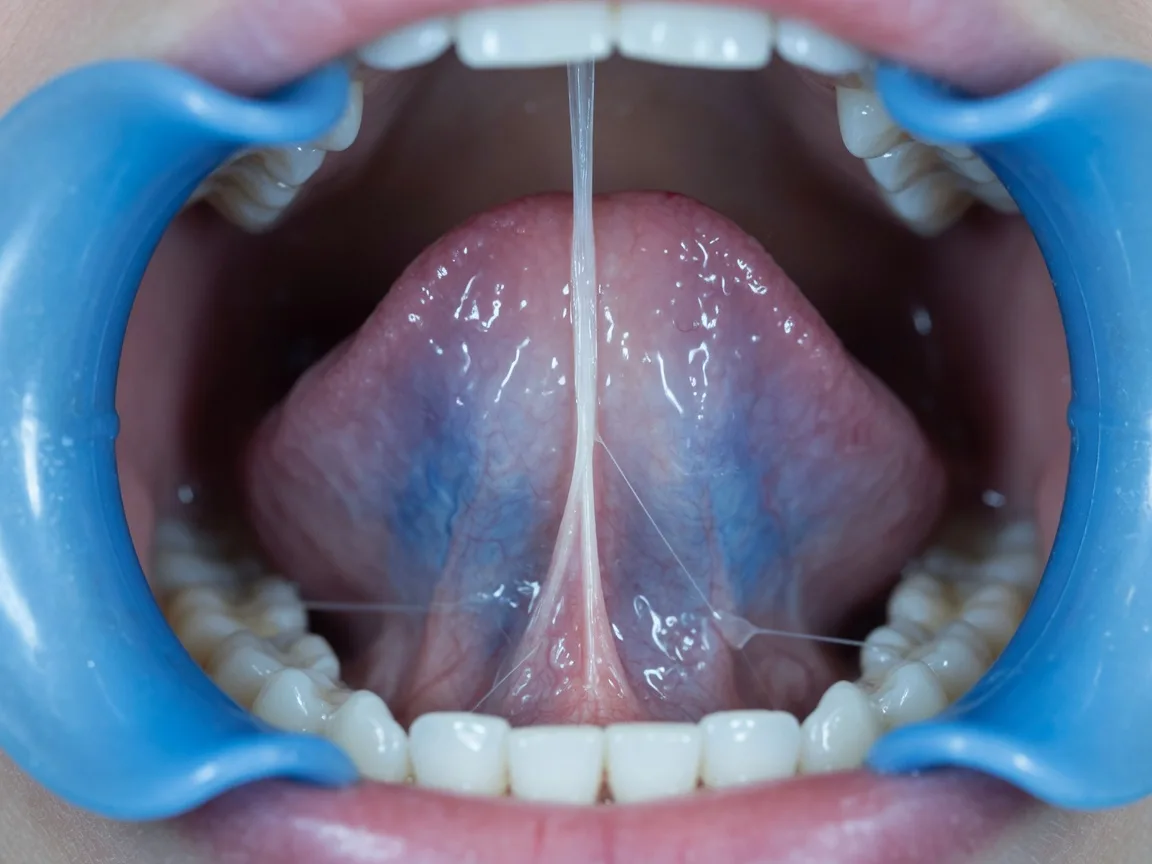
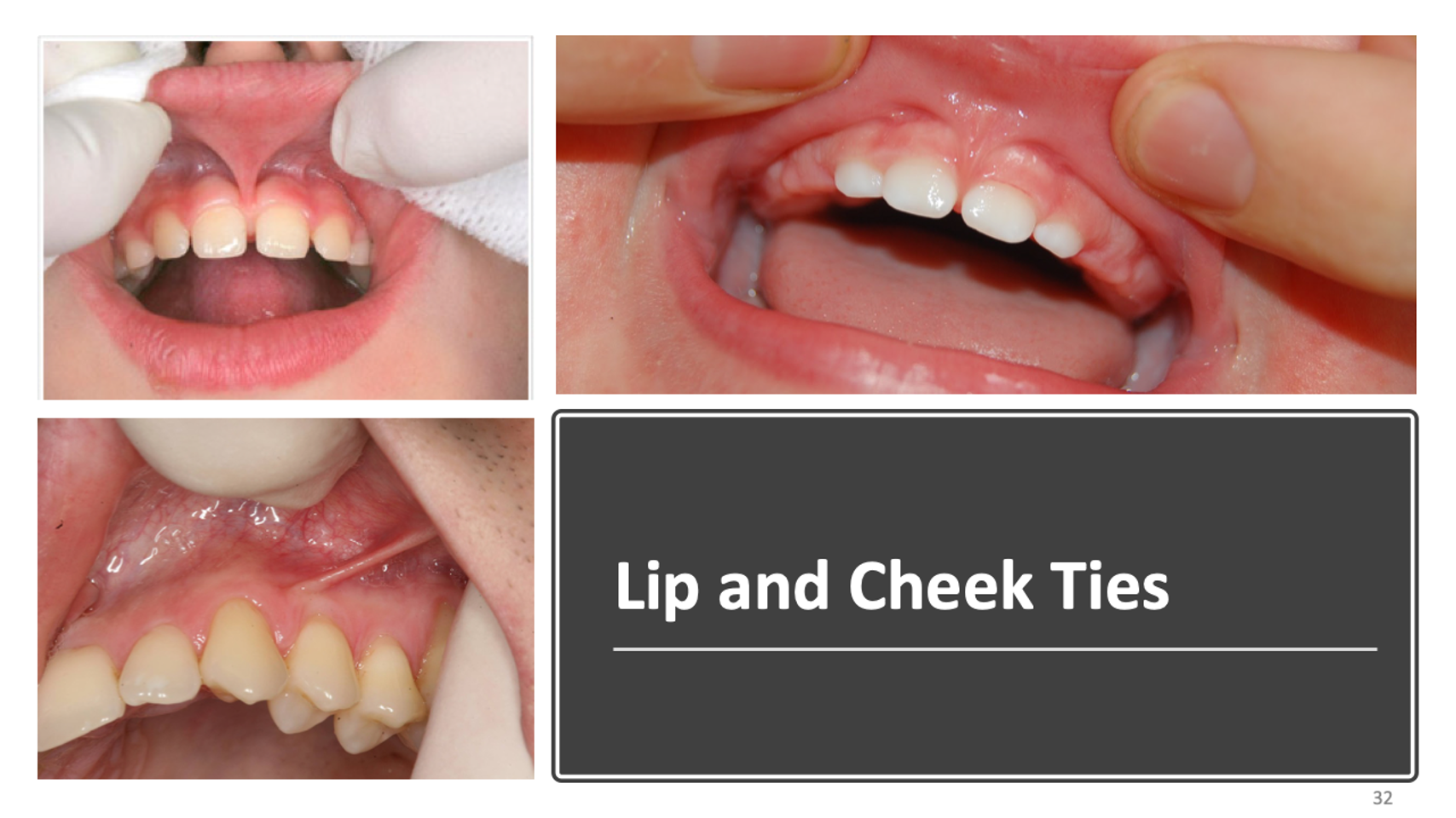
A tongue tie occurs when the lingual frenulum — the thin band of tissue connecting the tongue to the floor of the mouth — is too short, thick, or tight. This restriction limits the tongue's ability to move freely, which can affect feeding, speech, breathing, and even facial development.
Tongue ties are often present from birth but may go undiagnosed for years or even decades. They are not just a "baby problem." Adults with untreated tongue ties often experience chronic tension in the neck and jaw, sleep issues, headaches, and compensatory movement patterns that OMT can help address.
There are different types and severities of tongue ties, ranging from anterior (visible at the front of the mouth) to posterior (deeper and harder to see). A thorough evaluation is essential to determine the type of restriction and the best treatment approach.
Common Signs & Symptoms
Tongue tie can present differently at different ages. Here are the most common signs at each stage of life.
In Infants
- • Difficulty latching or nursing
- • Poor weight gain or slow feeding
- • Clicking sounds while feeding
- • Excessive gas or reflux
- • Colic-like symptoms
- • Maternal nipple pain or damage
In Children
- • Speech difficulties (lisp, unclear sounds)
- • Chronic mouth breathing
- • Messy eating or slow chewing
- • Gagging on certain textures
- • Sleep disturbances or restless sleep
- • Inability to lick an ice cream cone
In Adults
- • Jaw pain or TMJ dysfunction
- • Neck and shoulder tension
- • Chronic headaches or migraines
- • Snoring or sleep apnea
- • Orthodontic relapse
- • Difficulty with kissing or oral hygiene
Tongue Thrust & Ankyloglossia: Understanding the Connection
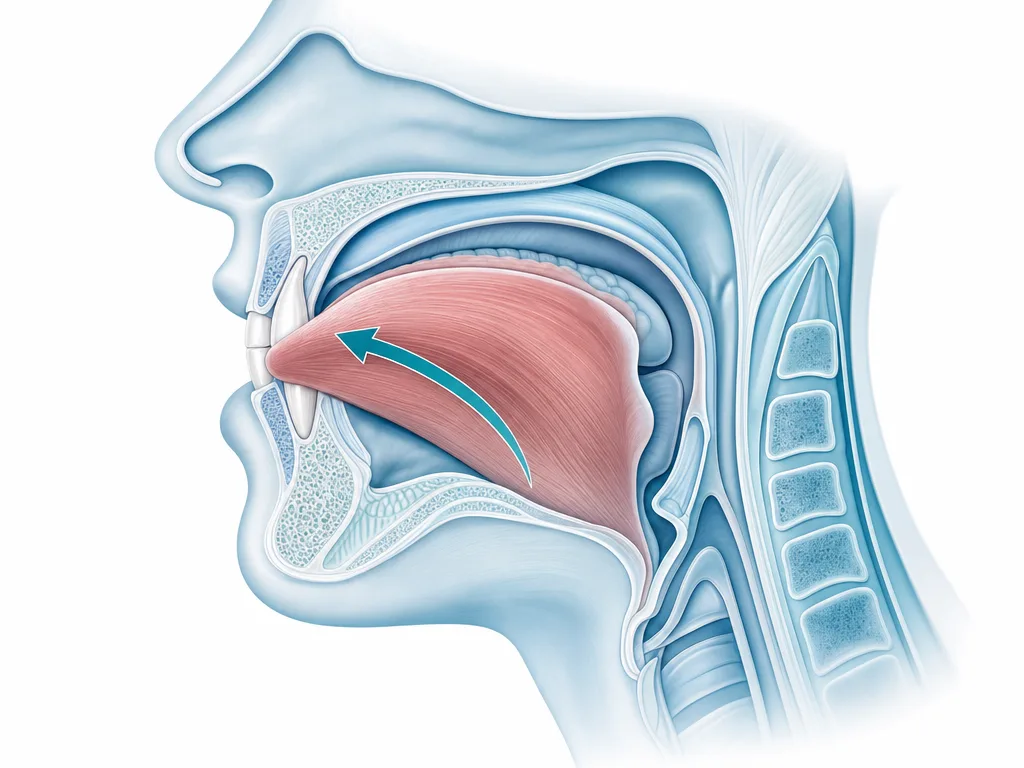
Tongue thrust and tongue tie often go hand in hand. A restricted lingual frenulum forces the tongue into compensatory movement patterns, most commonly a forward thrust during swallowing. This improper swallow, known as tongue thrust or reverse swallow, pushes the tongue against or between the teeth, which over time can contribute to open bites, speech impediments, and orthodontic instability.
Samantha evaluates both the structure (the frenulum) and the function (the swallowing pattern) during every assessment. Treating one without the other often leads to incomplete or temporary results. That is why orofacial myofunctional therapy addresses the whole picture.
How OMT Supports Tongue Tie Treatment
Orofacial myofunctional therapy plays a critical role at every stage of tongue tie treatment. Here is how Samantha works with patients before, during, and after release.
Pre-Release Therapy
Before a frenectomy (tongue tie release), OMT helps strengthen the tongue muscles, establish proper movement patterns, and prepare the body for the procedure. This foundation leads to better surgical outcomes, faster recovery, and reduced risk of complications. Pre-release therapy typically lasts 4 to 8 weeks.
Post-Release Rehabilitation
After release, the tongue needs to learn how to move in its new range of motion. OMT exercises prevent reattachment, train proper resting posture, and retrain swallowing patterns. This maximizes the benefit of the procedure and ensures long-term success. Post-release therapy is essential for preventing the need for a second release.
Non-Surgical Approach
Not every tongue tie requires surgical release. For mild to moderate restrictions, OMT alone may improve function enough to resolve symptoms. Samantha evaluates each case individually and refers for release only when clinically indicated. This conservative approach means some patients can avoid surgery entirely.
What to Expect at a Tongue Tie Evaluation
The evaluation takes approximately 60 to 90 minutes. Samantha will:
- Review your or your child's health history and symptoms
- Assess oral rest posture, tongue range of motion, and mobility
- Evaluate the appearance and function of the lingual frenulum
- Observe swallowing patterns and breathing habits
- Check for any compensatory patterns in the neck, jaw, or shoulders
- Discuss your goals and recommend the best path forward
At the end of the evaluation, you will receive a clear explanation of what is happening and a personalized treatment plan, whether that involves OMT alone, pre-release therapy, or a referral for a frenectomy evaluation.
Ready to Learn More About Tongue Tie?
If you or your child is showing signs of a tongue tie, early evaluation makes a lasting difference. Schedule a free consultation today.