
For Patients
Orofacial Myofunctional
Therapy (OMT)
Your mouth and airway are connected in ways most people never realize. OMT is a non-invasive, evidence-based therapy that retrains the muscles of your face, tongue, and throat for better breathing, swallowing, and oral health. Think of it as physical therapy for your mouth.
What Is Orofacial Myofunctional Therapy?
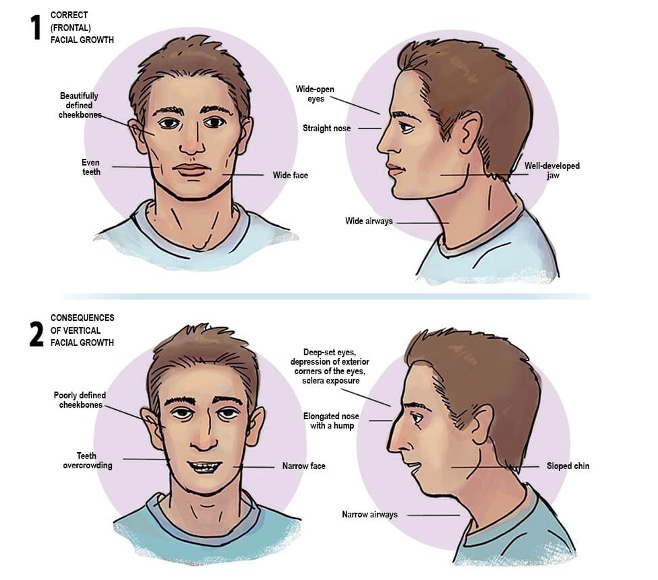
Orofacial Myofunctional Therapy is a specialized, non-invasive therapy that retrains the muscles of the face, tongue, and throat to function optimally. Just as physical therapy strengthens and retrains muscles after an injury, OMT corrects improper oral habits and muscle patterns that can affect breathing, sleep, speech, chewing, swallowing, and even facial development.
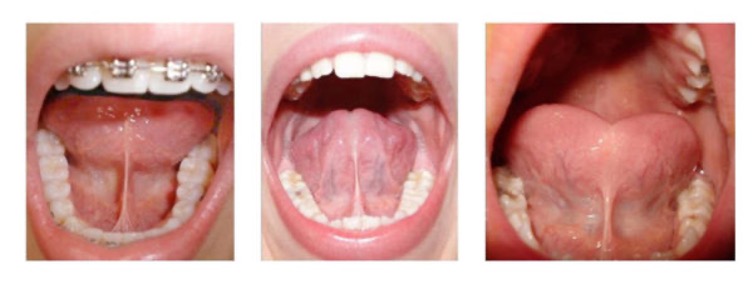
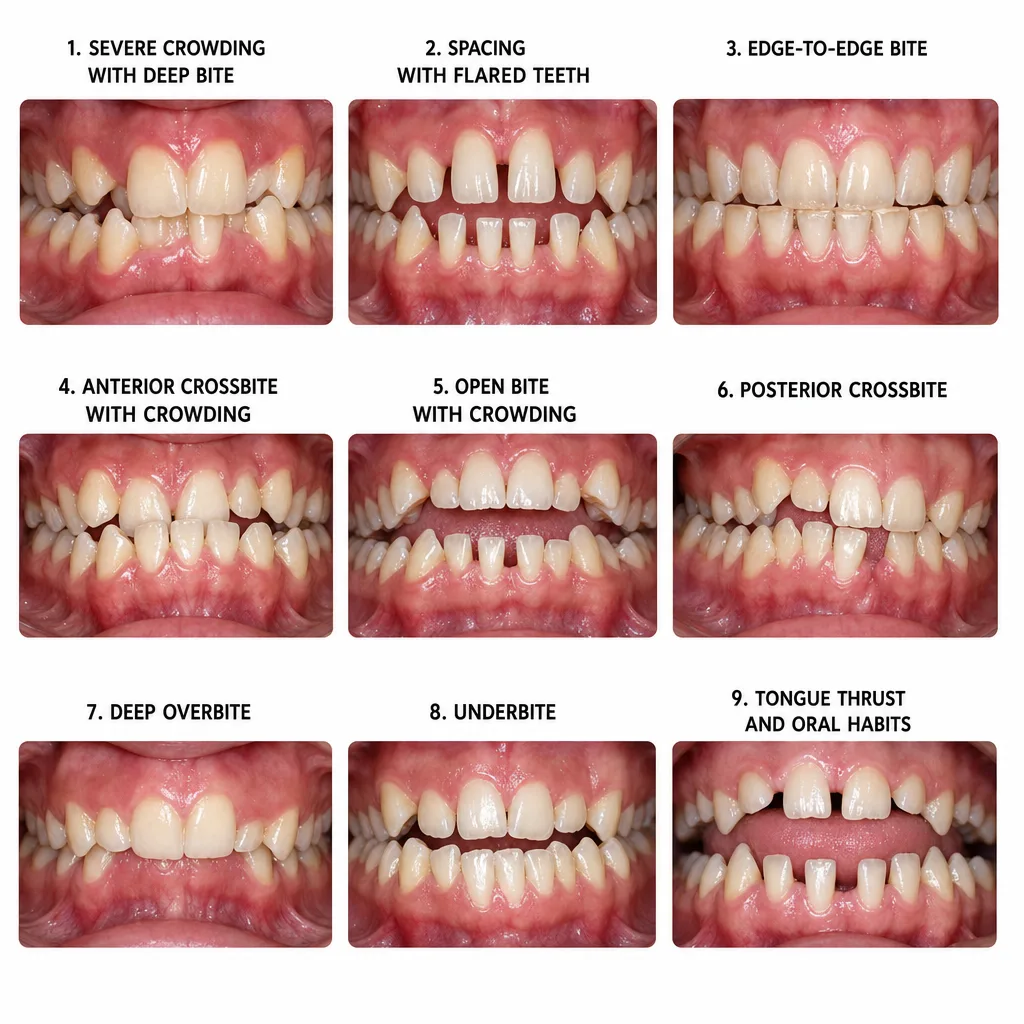
Common issues treated with OMT include tongue thrust (pushing the tongue against or between the teeth when swallowing), chronic mouth breathing, low tongue posture (the tongue resting on the floor of the mouth instead of the palate), tongue tie restrictions, and disordered swallowing patterns. Left untreated, these patterns can contribute to sleep-disordered breathing, orthodontic relapse, TMJ dysfunction, speech difficulties, and a cascade of related health issues.
At Thrive Professional Solutions, Samantha Medeiros provides personalized OMT for children, teens, and adults throughout the Las Vegas Valley and surrounding areas.
Who Can Benefit from OMT?
OMT can help patients of all ages, from infants to adults. Here are some of the most common groups we work with.
Children & Teens
Thumb and finger sucking, mouth breathing, tongue thrust, speech difficulties, orthodontic preparation or relapse prevention, and sleep issues. Early intervention is especially valuable since the oral structures are still developing.
Adults
Sleep apnea support (alongside CPAP or oral appliances), TMJ pain, chronic mouth breathing, post-tongue tie release recovery, and orthodontic stability. The muscles can be retrained at any age with consistent practice.
Airway & Sleep
Anyone with sleep-disordered breathing, snoring, upper airway resistance, or chronic fatigue who wants a non-surgical, complementary approach to improving their airway function and sleep quality.
What Does OMT Treatment Look Like?
Every patient's journey is different, but here is what you can generally expect from beginning to end.

Comprehensive Evaluation
The initial evaluation takes approximately 60 to 90 minutes. Samantha assesses your oral rest posture, breathing pattern, swallowing mechanics, tongue mobility, lip strength, and facial muscle function. She also reviews your health history and discusses your symptoms and goals. You leave with a clear understanding of your condition and a personalized therapy plan.
Customized Exercise Program
You receive a specific, progressive set of exercises targeting your tongue, lips, cheeks, and jaw. Exercises are designed for your age, condition, and goals. Most patients spend 5 to 10 minutes per session, 1 to 2 times per day, on their home exercises. Consistency is far more important than duration.
Regular Sessions & Progress Tracking
Weekly or bi-weekly appointments (in-person or virtual) to monitor progress, refine technique, and advance your exercises. Samantha tracks your progress with objective measurements and adjusts the program as needed. Most patients see significant improvement within 8 to 12 weeks.
Lasting Results & Maintenance
Full retraining typically takes 6 to 12 months of consistent practice. Once the new patterns are established, they become automatic. Samantha provides a maintenance program and periodic check-ins to ensure the results last.
What Conditions Can OMT Help With?
Curious If OMT Is Right for You?
Schedule a free initial consultation to discuss your symptoms and goals. No pressure, no obligation — just answers.