
Myofunctional Exercises at Home: What Actually Works
Whether you are a parent worried about your child's tongue tie or an adult struggling with sleep and mouth breathing, home exercises are the part of therapy you will do the most. Here is an honest guide to which exercises actually work, which ones to skip, and how to practice safely.

Yes, some myofunctional exercises genuinely work when practiced at home, but only when they are the right ones for your specific pattern. Tongue-to-spot resting posture, nasal breathing practice, and gentle tongue elevation work are the exercises I recommend most to families in Las Vegas. What does not work is a random list of tongue tricks from the internet, because myofunctional therapy is highly individualized. An exercise that fixes one child's swallow can accidentally reinforce a tongue thrust in another.
If you are exploring this for your child or yourself, the good news is that home practice is simple, short, and doable: usually 5 to 10 minutes a day. The catch is that you need the right starting point. That is why myofunctional therapists begin with an evaluation before handing out exercises, and why the best home programs are built around your specific findings, not a generic template.
This guide covers the exercises that consistently show up in real therapy plans, what each one is for, and when home practice is enough. Read what an OMT session looks like to understand the full process before starting.
What myofunctional exercises can you actually do at home?
The exercises below are the backbone of most myofunctional therapy programs. Use them as a starting point with a qualified therapist, not as a complete plan.
Tongue-to-spot resting posture. The tongue should rest gently on the roof of the mouth, just behind the front teeth, with the lips sealed and the teeth slightly apart. Many people with tongue tie or mouth breathing habits let their tongue sit low, which changes how the jaw, airway, and face develop over time. Practicing the resting posture for a few minutes several times a day is the single most important home exercise in most programs.
Nasal breathing with lip seal. Mouth breathing is one of the most common problems I see in Las Vegas, especially in children. A simple exercise is to breathe in and out through the nose for one minute with the lips gently closed, then work up to three to five minutes. If congestion from allergies is blocking the nose, pair the practice with the right medical care instead of pushing through it.
Tongue elevation and mobility work. Exercises that move the tongue up, back, and side to side within its comfortable range build strength and prepare the tissue for a release if one is planned. A common starting point is to open the mouth wide, lift the tongue to the palate, and hold for a few seconds, repeating five to ten times. It looks simple because it is meant to be done gently.
Swallow retraining. Many children and adults swallow with the tongue pushing forward against the teeth, a pattern called a tongue thrust. Retraining the swallow so the tongue presses up to the palate instead is advanced work. It is worth doing under guidance, because an incorrect swallow exercise can lock in the wrong pattern more firmly.
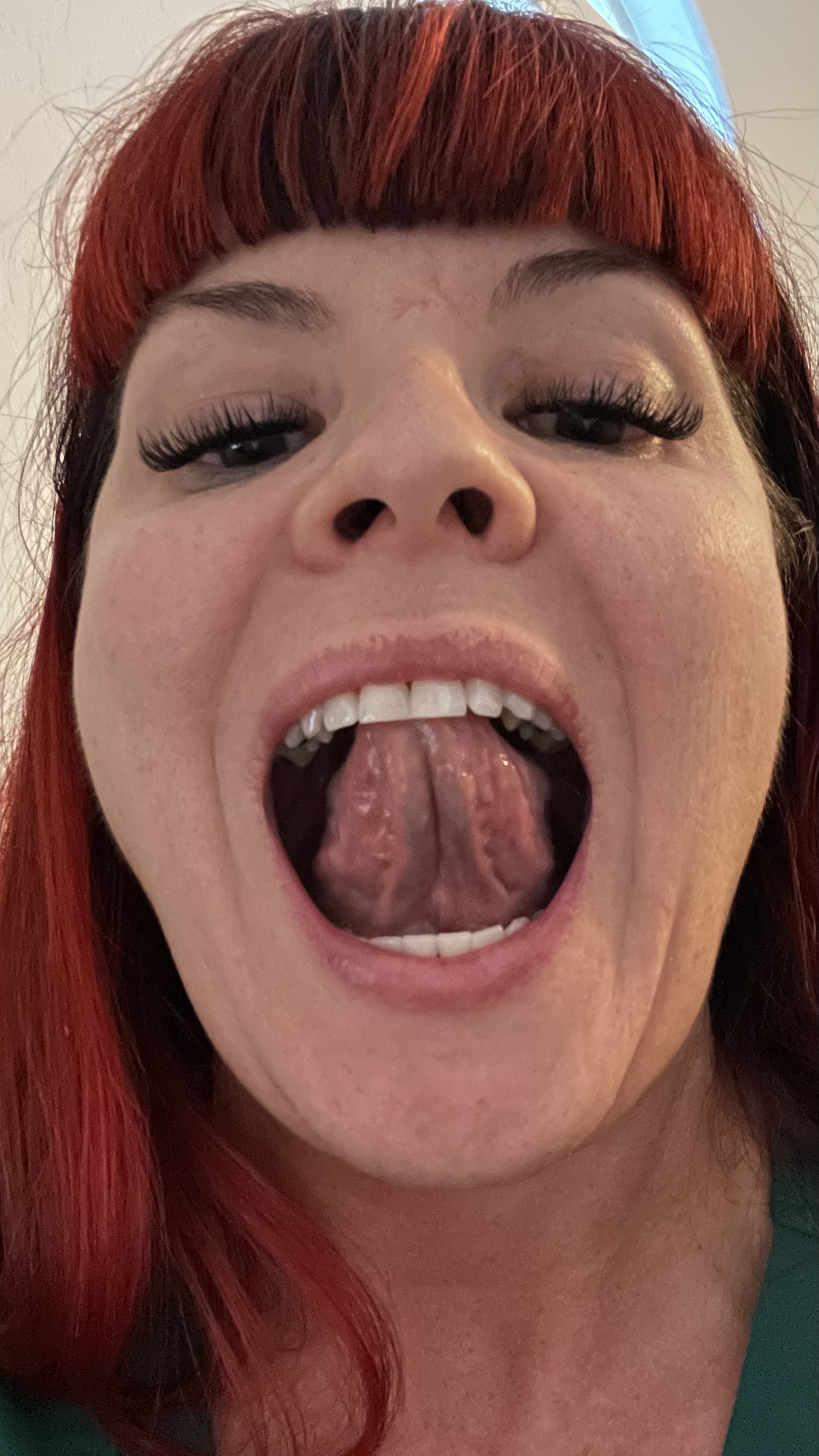
Can myofunctional exercises at home fix a tongue tie?
This is the question I hear most often from parents, and the honest answer has two parts. Exercises absolutely improve tongue mobility, strength, and coordinated function. In mild restrictions, consistent exercise may resolve functional symptoms such as a slightly tight swallow or a lazy resting posture without any procedure at all.
But exercises do not cut tissue. If the frenulum itself is short, tight, or anchored in a way that physically limits movement, a release may still be the right step. What therapy does in that situation is prepare the tissue and the tongue before the release and retrain the new range of motion after it. Families who build a strong home practice around a release have smoother healing and better long-term outcomes. Our tongue tie page explains the difference between functional exercises and surgical options in plain language.
In Nevada, evaluations typically start with a licensed professional who understands both the tissue and the function, because a tongue tie that looks small on a photo can still cause real problems with breathing, feeding, or sleep. Start with our tongue tie guide for parents to learn what a complete assessment covers.
How often should you practice myofunctional exercises at home?
Most programs ask for 5 to 10 minutes once or twice a day, every day. That is it. The magic of myofunctional therapy is repetition, not intensity. A child who practices tongue-to-spot for two minutes after brushing teeth every morning and evening will progress faster than a child who does a long session once a week.
For parents, the practical secret is to attach practice to an existing routine. Linking it to teeth brushing, story time, or getting ready for bed removes the daily negotiation. For adults, pairing exercises with coffee or a workout makes them automatic.
Consistency also protects your investment. Skipping days stretches the timeline and lets old habits creep back. Our timeline guide for kids and adults breaks down how long this takes, week by week.
Are at-home myofunctional exercises safe to try without a therapist?
Gentle awareness exercises, like nasal breathing and tongue resting posture, are low risk for most children and adults. They are essentially good habits, and practicing them while you figure out next steps is reasonable.
Strengthening and swallow exercises are a different story. Because they target specific muscles and patterns, the wrong exercise can reinforce the problem you are trying to fix. A tongue thrust, for example, is often worsened by exercise choices that strengthen the forward push instead of the upward lift. That is why the safest approach is to get an evaluation first, then practice the exercises you are given with confidence.
Stop any exercise that causes pain, and never push a child to the point of distress or gagging. Myofunctional work should feel like gentle effort, not struggle. If you are uncertain whether a movement is appropriate, a short consultation answers that in minutes and is worth far more than weeks of guessing. Learn what an OMT evaluation includes before you begin.
When should you see a myofunctional therapist instead of doing exercises alone?
Home exercises are a tool, not a substitute for assessment. See a therapist when any of these apply:
- You have a baby or young child with feeding problems. Latch issues, clicking, slow weight gain, or a painful nursing experience deserve qualified help early, not after weeks of home experiments.
- A frenectomy is on the table. Pre- and post-release therapy changes the outcome, sometimes dramatically. Doing it alone after a release is how reattachment and weak results happen.
- Sleep is involved. Snoring, restless sleep, mouth breathing at night, or suspected sleep apnea should be evaluated with your medical team alongside myofunctional work.
- Speech or feeding is affected. A speech therapist, occupational therapist, and myofunctional therapist often work together. Exercising alone without that team can delay the right intervention.
- You have tried exercises and seen no change. After four to six weeks of consistent practice with no progress, an evaluation usually reveals why, whether it is a structural restriction, nasal blockage, or a pattern that needs a different approach.
In Las Vegas, I work alongside pediatric dentists, ENTs, lactation consultants, and speech therapists so families get coordinated care. For Nevada families outside the valley, virtual evaluations still give you a personalized home program. Our airway health page explains how breathing, sleep, and oral function connect.
How long until you see results from at-home myofunctional exercises?
Awareness changes fast. Within the first one to two weeks, most people notice their tongue position, their breathing, or their child's mouth at rest in a way they never did before. That awareness is real progress; you cannot change a habit you do not notice.
Measurable change usually follows in four to six weeks: easier nasal breathing, a more sealed lip posture, less jaw tension, or a calmer night for a snoring child. Fully automatic habits take longer, typically four to nine months for children and six to twelve months for adults, matching the standard OMT timeline.
The families who see the biggest, fastest results are the ones who treat the 10 minutes a day as a non-negotiable, same as brushing teeth. The families who struggle are the ones who practice randomly and restart after every vacation. Consistency, not intensity, is the entire game.
If your child is mouth breathing, snoring, or struggling to feed, or if you wake up with a dry mouth and a restless night, start by getting the right assessment. Schedule a free consultation and get a personalized home program built on your actual findings, not a generic list. That is the difference between busywork and exercises that actually work.
Ready to Build the Right Home Practice?
Samantha offers in-person evaluations in Las Vegas and virtual consultations for Nevada families. You will leave with exercises chosen for your pattern, not a generic template.